



Q1 is one of the most demanding periods for UK hotel operations.
Heating systems run continuously, compliance deadlines cluster early in the year, and CAPEX decisions often need to be finalised before peak season returns. All of this happens while margins are under pressure and engineering teams are expected to maintain consistent guest comfort.
In practice, many of the pressures associated with Q1 are operational rather than unavoidable.
Hotels that manage this period effectively tend to take a more structured approach. Preventive maintenance is scheduled rather than reactive, compliance checks are embedded into routine operations, and CAPEX decisions are informed by asset condition and maintenance history.
This guide outlines practical ways to manage PPM, compliance, and CAPEX during Q1 without compromising guest experience or operational control.
Why Q1 is Different (and Why It Matters)
The first quarter places sustained pressure on building systems that often isn’t felt at other times of the year.
Heating systems work overtime to keep guests comfortable. Freeze-thaw cycles damage roofing and drainage. Electrical demand peaks as winter darkness extends operating hours.
For hoteliers, this translates to:
- Peak demand on boilers and heating systems
- Increased risk of emergency breakdowns during the coldest weather
- Higher energy consumption and costs when margins are already tight
- More frequent guest comfort complaints
- Accelerated wear on building systems from continuous operation
Meanwhile, deferred maintenance from the previous year comes back to haunt you. That radiator that "sort of worked" in December? It's failing completely in February. That minor roof leak you noticed in autumn? It's water damage in guest rooms.
And while UK hospitality faced regulatory changes in 2025, operating expenses remain elevated with wages 5.6% higher year-on-year and business rate relief rolled back.
Hotels that plan ahead often use lower winter occupancy to complete preventive work that is difficult to schedule during peak periods. Where this opportunity is missed, unresolved issues tend to surface later in the quarter when operational pressure increases.
Planned Preventive Maintenance: Your First Line of Defense
Planned Preventive Maintenance (PPM) is simple: fix things before they break.
Instead of waiting for your boiler to fail on the coldest night of the year, you service it systematically. Instead of discovering frozen pipes after they burst, you insulate vulnerable areas in advance. Instead of scrambling when fire alarms fail inspection, you test them monthly.
Studies show that preventive maintenance saves 12-18% in overall maintenance costs compared to reactive approaches. More importantly, emergency callouts during Q1 come with premium rates.
Consider this: a boiler failure on a freezing January evening doesn't just mean expensive emergency repairs. It means displaced guests, negative reviews, and potential safety violations. Those costs compound quickly.
Critical Planned Preventive Maintenance Tasks for Q1
Heating and Hot Water Systems
Your boilers are your most critical asset during Q1. Failure to properly maintain boilers can result in machine failure, gas leakage, and safety disasters.
Schedule these essential tasks:
- Monthly boiler inspections and efficiency checks - Don't wait for the annual gas safety check. Monitor performance throughout winter.
- Weekly radiator valve testing - Identify stuck valves before guests complain about cold rooms.
- Legionella risk assessments and water temperature monitoring - Winter creates perfect conditions for bacterial growth in unused systems.
- Thermal imaging to identify heat loss areas - Find inefficiencies before they impact your energy bills.

Fire Safety
Winter brings increased fire risk from overworked heating systems and additional electrical loads. Every six months, you're required by law to service fire alarms.
Q1 tasks include:
- Fire alarm panel testing - Verify every zone responds correctly.
- Emergency exit lighting verification - Longer winter darkness makes this critical.
- Fire door inspections - Check closers, seals, and gaps that develop over time.
- Smoke vent monthly tests - Don't discover failures during an actual emergency.
Electrical Systems
Cold weather increases electrical demand across your property. Periodic inspection and testing of electrical systems are key parts of legal compliance.
Ensure you've scheduled:
- Emergency lighting monthly tests - Required by law and critical for guest safety.
- Electrical Installation Condition Report (EICR) if due - Don't let this expire during winter when electricians are hardest to book.
- PAT testing for portable appliances - Increased heating loads reveal failing equipment.
- Backup generator load testing - When power fails during a winter storm, you'll be glad you tested this.
Building Fabric
Protect your property from winter weather:
- Gutter clearing to prevent ice dams - Blocked gutters mean water finds other ways into your building.
- Roof inspections for water ingress - Freeze-thaw cycles create leaks that worsen rapidly.
- Window seal integrity checks - Heat loss costs money and creates guest comfort issues.
- Exterior door weatherproofing - Drafts create complaints and waste energy.
The Real Cost of Getting PPM Wrong
Brocket Hall Estate achieved an 80% reduction in time spent on maintenance administration by implementing systematic PPM. Their facilities manager went from firefighting daily crises to strategically managing their historic property.
When you skip January PPM and your boiler fails during February half-term week, you're paying 3x normal rates for emergency weekend repairs, lost revenue from rooms you can't sell, compensation for guests you have to move, and negative reviews that impact bookings for 6-12 months. Plus the stress of managing a crisis when you should be focused on guest experience.
Compliance: The Non-Negotiable Framework
Here's the reality about compliance in UK hospitality: it's not optional, and it's getting more complex. The challenge isn't just knowing what's required-it's maintaining an audit trail that proves compliance without drowning in paperwork.
What Hoteliers Must Navigate in Q1 2026
Gas Safety Regulations
The Gas Safety (Installation and Use) Regulations 1994 requires annual gas safety checks by a Gas Safe engineer. If your certification expires during Q1, schedule renewals well in advance. Engineers are harder to book during winter when everyone's boilers are working overtime.
Fire Safety and Martyn's Law
Beyond routine testing, be prepared for Martyn's Law (Terrorism Protection of Premises Act 2025), which may affect hotels depending on capacity. The law requires enhanced security risk assessments and staff training, with penalties reaching £10,000 for standard tier premises. If you haven't assessed whether this applies to your property, do it now.
Food Waste Regulations
Since March 31, 2025, businesses producing more than 5 kg of food waste weekly must separate food waste from general waste. Enhanced reporting requirements now apply, and documentation is subject to Environment Agency inspection. Requirements vary by property size and use, so operators should confirm how specific regulations apply to their site.
Maintaining Compliance Without Administrative Overload
The challenge with compliance isn't understanding the rules - it's proving you're following them without creating mountains of paperwork.
Traditional approaches create problems:
- Information scattered across multiple locations
- No real-time visibility into task completion
- Difficult to prove compliance during inspections
- Paper logs that get lost or forgotten
The Plaza Hotel in Dublin found that completing their full Building Safety Log digitally with Snapfix, with everything in one place and up to date, was "much more efficient." Their maintenance team receives automated updates when fire extinguishers need servicing or when water safety reports are due. No one has to remember. The system handles it.
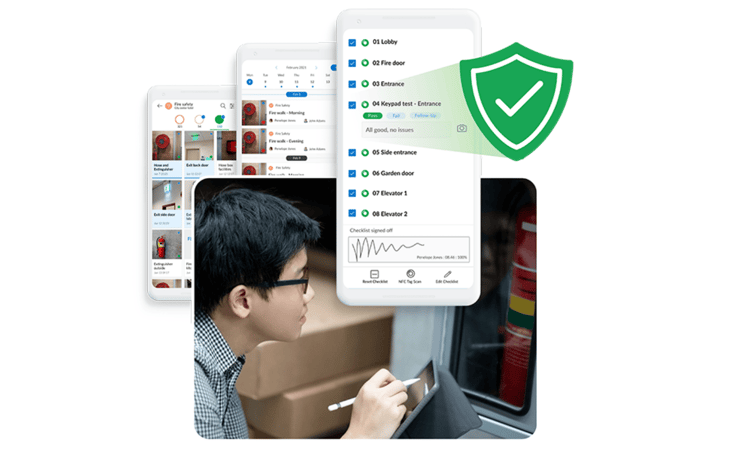
The key is creating systems where compliance happens as part of normal operations, not as an additional administrative burden. When your team completes a fire safety check, they photograph the panel with their phone. That photo becomes a timestamped work order with location data. When an inspector asks to see your fire safety records, you're presenting a complete digital trail, not scrambling through filing cabinets.
CAPEX Planning: Strategic Investment in Challenging Times
European hotel investment volume was up 55% in the first three quarters of 2024, showing renewed confidence in the sector. But for hoteliers planning CAPEX in Q1 2026, elevated operating expenses create a delicate balancing act: investing strategically while managing cash flow carefully.
CAPEX Priorities for Q1
Asset Replacement vs. Life Extension
Not every aging asset needs immediate replacement. Regular PPM servicing can extend equipment lifespan, deferring costly replacements and maximizing return on investment.
Create an asset register that tracks:
- Current condition and age
- Maintenance history
- Expected remaining lifespan
- Replacement cost estimates
- Risk of failure and operational impact
This data-driven approach helps you distinguish between "must replace now" and "can extend another year with proper maintenance." When your boiler is 12 years old and you're debating replacement, maintenance history tells you whether it's worth another year or if it's about to become a liability.
Energy Efficiency Investments
With heating costs peaking during Q1, energy efficiency improvements deliver immediate ROI:
- Boiler upgrades to high-efficiency models - Modern condensing boilers are 90%+ efficient vs. 70-80% for older models.
- Smart thermostatic controls for guest rooms - Reduce heating in empty rooms automatically.
- Building insulation improvements - Stop paying to heat the outdoors.
- LED lighting conversions - Reduce electricity costs and maintenance.
Adaptive reuse projects and energy efficiency upgrades are increasingly favored by lenders and can unlock green financing options.
Guest-Facing vs. Back-of-House
Q1 is traditionally slower for many UK hotels, making it ideal timing for guest-facing renovations that would disrupt operations during peak season. However, back-of-house infrastructure should take priority if safety or compliance is at risk.
A beautiful new lobby doesn't matter if your boiler fails during half-term week. Fix what keeps the building operational first. Then invest in guest-facing improvements.
Streamlining CAPEX Approval and Tracking
Modern approaches to CAPEX planning involve:
- Centralized Tracking - Link CAPEX requests directly to maintenance work orders and asset condition data. When your maintenance team reports that the boiler required three emergency repairs this winter, that data should automatically inform your CAPEX budget discussion.
- Photo Documentation - Visual evidence of asset condition supports budget requests and approval decisions. Presenting a CAPEX request with photos showing actual equipment condition is far more compelling than "the boiler is old and needs replacing."
- Multi-year Forecasting - Plan 3-5 years ahead to smooth CAPEX spending and avoid budget surprises.
- Vendor Comparison - Track multiple bids digitally for transparency and cost optimization.
The goal is making data-driven CAPEX decisions based on actual asset performance, not guesswork about what "probably needs replacing soon."
How Snapfix Simplifies Q1 Hotel Maintenance Management
Managing PPM schedules, compliance documentation, and CAPEX planning simultaneously creates complexity that traditional methods struggle to handle. Paper checklists get lost. WhatsApp messages scroll away. Email chains become impossible to follow.
Snapfix is designed specifically for hotel maintenance teams, where speed, visibility, and simplicity are critical.
Simplified PPM Scheduling
Snapfix's Plan module allows you to schedule recurring maintenance, repairs, and inspections in advance. Set up your entire Q1 PPM calendar once. The system automatically creates tasks, assigns them to your team, and sends reminders.
Your boiler gets its monthly check whether you remember to schedule it or not. Fire alarm testing happens automatically. You stop playing maintenance calendar manager and start actually managing maintenance.
Visual Work Order Management
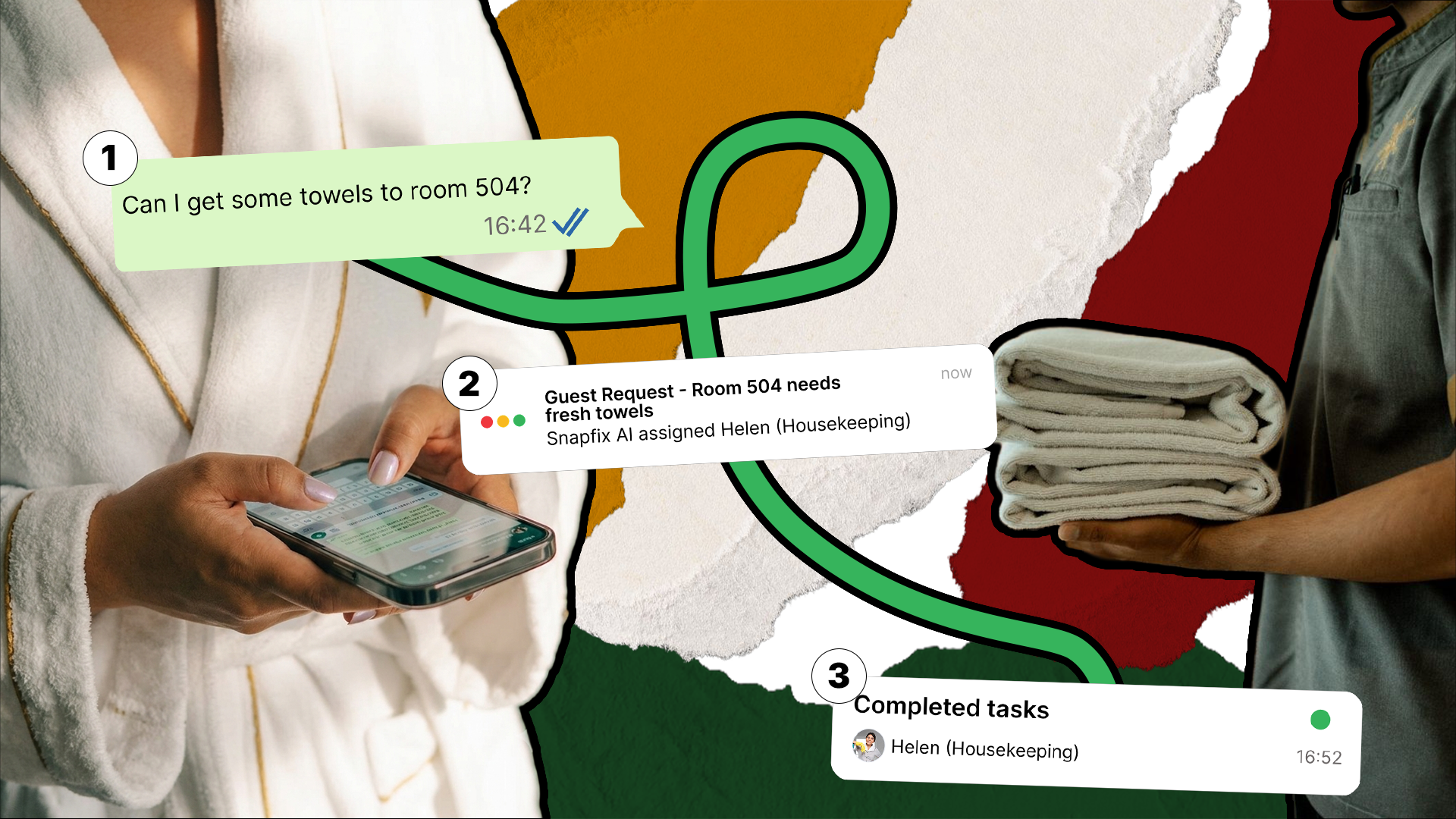
Create tasks and work orders in just 3 seconds with a photo. When a housekeeper spots a radiator that's not heating properly, they snap a photo. It instantly becomes a tracked work order assigned to maintenance.
The traffic light system makes everything visible:
- Red - New issues that need attention
- Yellow - Work in progress
- Green - Completed tasks
Everyone knows exactly what's happening at a glance.

Digital Compliance Trail
Ensure real-time compliance to regulatory guidelines by digitizing your safety checks and audit trail. When an inspector asks to see your fire safety records, you're presenting a complete digital log with timestamps, photos, and sign-offs.
The Morrison Hotel saves staff 1.5 hours per day using Snapfix's streamlined approach to maintenance and compliance management.
Asset Management and CAPEX Planning
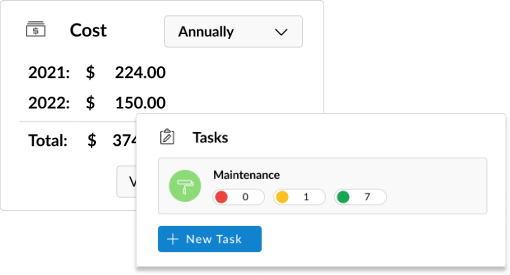
Track assets in the palm of your hand with complete work order history attached to each item. When planning Q2 CAPEX, you can see exactly which assets have required repeated repairs, what they've cost to maintain, and whether replacement is justified.
Photo documentation throughout an asset's lifecycle provides compelling evidence for budget requests and helps justify spending decisions to ownership.
"Our lobby boiler needs replacing" is an opinion. "Our lobby boiler has required 8 emergency repairs in the last 12 months costing £4,200, and the manufacturer recommends replacement after 15 years (it's now 17 years old)" is a data-driven case.
Multilingual Team Communication
UK hotels often employ multilingual teams. Snapfix uses the universal language of photos, eliminating communication barriers. A maintenance issue is clearly understood whether your team speaks English, Polish, Romanian, or Spanish. They see the problem. They fix the problem. No translation needed.
Making Q1 Count
Q1 does not need to be managed reactively. With structured PPM scheduling, clear compliance processes, and disciplined CAPEX planning, many operational risks can be reduced or avoided altogether.
Hotels that handle Q1 effectively typically rely on:
- Structured preventive maintenance programmes
- Compliance processes embedded into daily operations
- CAPEX decisions informed by asset condition and maintenance history
- Systems that reduce administrative effort while improving visibility
When The Plaza Hotel implemented Snapfix, they completed snagging for 68 bedrooms in less than 24 hours during their renovation. That level of efficiency doesn't happen by accident. It happens when you have the right systems, the right processes, and the right technology working together.
Ready to transform your Q1 operations?
Start your free 14-day trial or book a live demo and see how hundreds of UK hotels are using Snapfix to manage PPM, compliance, and CAPEX without the chaos.

.png)