

The hospitality industry has moved past the turbulence of the last few years, but 2026 is shaping up to be a year that demands disciplined, data-led budgeting. Guest expectations are rising, costs remain unpredictable, and operational efficiency has become a core competitive advantage – not a back-office consideration.
For hotel teams, this means one thing: 2026 budgets must be tighter, smarter, and built on operational clarity, not assumptions.
That's exactly where strong maintenance planning, real-time visibility, and simplified workflows become part of the budgeting conversation – not an afterthought. The hotels that will succeed in 2026 are those that understand this fundamental shift: your budget is only as strong as the operational foundation it rests on.
The 2026 Hospitality Outlook: What Hotels Should Expect
Hotels are entering 2026 with mixed signals: demand remains strong in most markets, but cost pressures have not eased at the same pace.
A. Demand Stabilisation, Not Exponential Growth
Travel volumes are steady, but major surges have tapered. The post-pandemic rebound has normalized, and we're entering a phase of predictable but modest growth.
Hotels should expect:
- Gradual, steady occupancy levels
- Moderate ADR improvements
- Slightly stronger performance for leisure-led destinations
- Business travel continuing its slow return
- Weekend demand remaining stronger than midweek in many markets
Budgeting takeaway: Build revenue assumptions around stable performance, not aggressive expansion. Your operational efficiency becomes critical – you can't rely on rate growth alone to cover rising costs.
B. Operating Costs Will Continue to Be Unpredictable
Labour, utilities, repairs, compliance, and insurance continue to fluctuate. This is pushing more hotels to:
- Improve workforce planning
- Tighten procurement processes
- Reduce emergency maintenance
- Shift from reactive repair budgets to preventive maintenance budgets
Hotels using photo-based work order systems report having far more confidence in their cost projections because they can see exactly where money is going – down to individual tasks and asset types.
C. Guests Expect Faster Response Times
Service speed and reliability now influence satisfaction more than ever. In an age of instant everything, guests notice delays. A maintenance request that sits unaddressed for hours becomes a review issue, not just an operational hiccup.
The operational reality: Response time is directly tied to workflow efficiency. Hotels still relying on phone calls, paper tickets, or disconnected systems will struggle. Those using digital platforms where issues are reported with photos, assigned instantly, and tracked to completion will have a measurable advantage.
D. Technology Adoption Is No Longer Optional
The hotels that thrived post-pandemic were those that adapted quickly. Your budget should reflect investments in digital maintenance management, mobile-first staff tools, and automated scheduling – these aren't luxury items anymore. They're core infrastructure that directly impacts your bottom line.
2. The Do's: Budgeting Practices Every Hotel Should Adopt in 2026

Do #1 – Prioritise Preventive Maintenance Over Reactive Repairs
One of the biggest hidden drains on hotel financial performance is unplanned maintenance. A reactive approach leads to:
- Higher contractor fees (emergency rates typically run premium pricing)
- Overtime costs for internal teams
- More downtime and lost revenue
- Guest dissatisfaction that impacts reviews and return rates
- Compounding damage that makes repairs more expensive
For 2026, shift your budget toward:
- Scheduled inspections
- Regular servicing of critical assets
- Annual maintenance calendars
- Spare-parts planning
When preventive tasks, safety checks, and routine inspections can be scheduled and tracked with simple photo-based updates, hotels know the condition of every asset and spend less on surprises.
Also Read: 12 Best Preventive Maintenance Software Solutions for 2026
Do #2 – Build Your Budget Around Real Operational Data
Hotels often plan budgets using last year's numbers plus a percentage increase – but this doesn't work anymore.
What you need instead:
- Work order data (volume, cost, completion time)
- Asset history (what's failing, what's aging)
- Issue frequency (recurring problems signal deeper issues)
- Downtime trends (revenue impact of out-of-service assets)
- Team workload patterns
This allows you to:
- Predict maintenance costs with confidence
- Reduce over-budgeting for emergencies
- Allocate funds to the assets that truly need attention
- Make evidence-based capex decisions
When every task, repair, and check becomes traceable through a digital system, budgeting becomes far more accurate. You're building on facts, not estimates.
Do #3 – Invest in Staff Retention and Easy-to-Use Tools
Labour remains one of the biggest controllable costs and risk areas. High turnover costs you in recruitment, training time, quality inconsistency, and lost institutional knowledge.
Instead of cutting training or headcount, focus on:
- Cross-training your team
- Clear standard operating procedures
- Digital checklists that ensure consistency
- Easy work-order systems that reduce frustration
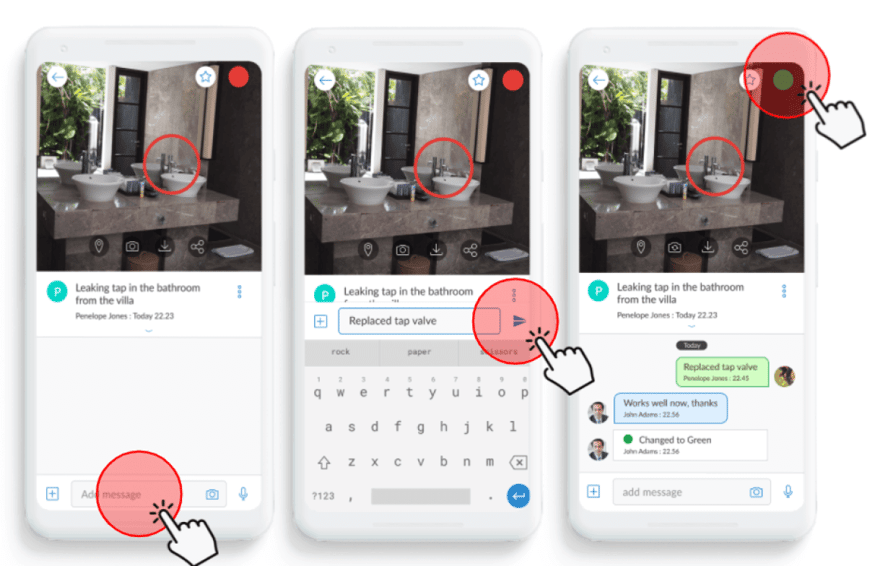
When staff workflows are simple, consistent, and visual – like using Snapfix’ traffic light system (red, yellow, green) for task prioritization – performance improves and training time reduces. Newer team members can become productive faster when they have mobile access to clear instructions and photo examples.
Do #4 – Create Multiple Budget Scenarios
2026 will reward hotels that plan with flexibility. Set up three financial models:
Base Case – expected performance based on current trends
Cautious Case – lower occupancy or higher costs
Upside Case – favourable market conditions or unexpected group business
Use operational triggers to shift between them, such as:
- Booking pace trends
- Market events
- Energy cost spikes
- Team capacity changes
- Asset condition alerts
Hotels with strong operational visibility – task dashboards, open-vs-completed metrics, maintenance backlog reports – will know exactly when to adjust.
Do #5 – Strengthen Your Compliance & Safety Budget
Hotels face increasing compliance responsibilities – from fire safety and water quality to equipment checks and documentation. Regulations aren't getting simpler.
Budget specifically for:
- Scheduled fire safety checks with digital audit trails
- Digitalized records (paper trails are becoming liability risks)
- Staff certification and training
- Third-party audits
- Emergency preparedness
Timestamped records with photo proof create audit-friendly trails that reduce risk and speed up inspection time. When an inspector asks to see your last six months of fire extinguisher checks, you can pull up the complete record – with photos, dates, and staff confirmations – in seconds, not hours.
Do #6 – Track Guest-Facing vs. Back-of-House Maintenance Separately
Not all maintenance spending delivers the same ROI. Create budget categories that distinguish:
Guest-Impact Maintenance: Room repairs, lobby upkeep, pool and fitness equipment, aesthetic improvements
Critical Infrastructure: HVAC systems, plumbing and electrical, life safety systems, structural elements
Both matter, but they perform different functions. Your budget should reflect their different ROI profiles and allow you to make informed trade-offs when needed.
Also Read: Deep Cleaning Hotel Maintenance Checklist
3. The Don'ts: Budgeting Mistakes Hotels Should Avoid in 2026
Don't #1 – Don't Defer Maintenance to Save Short-Term Costs
Every hotel knows this truth: Deferred maintenance always becomes expensive maintenance.
What starts as a minor issue becomes:
- A full replacement instead of a repair
- A major contractor callout at emergency rates
- A guest complaint that shows up on review sites
- A facility shutdown during peak season
- A safety hazard that creates liability risk
Skipping preventive tasks or reducing your maintenance budget will cost more in both money and reputation. If budget cuts are necessary, look at procurement efficiency or energy savings – not maintenance deferral.
Snapfix helps prevent this by: automating preventive maintenance schedules and sending alerts before small issues escalate. When every task is logged and tracked, nothing slips through the cracks – ensuring minor repairs get addressed before they become major expenses.
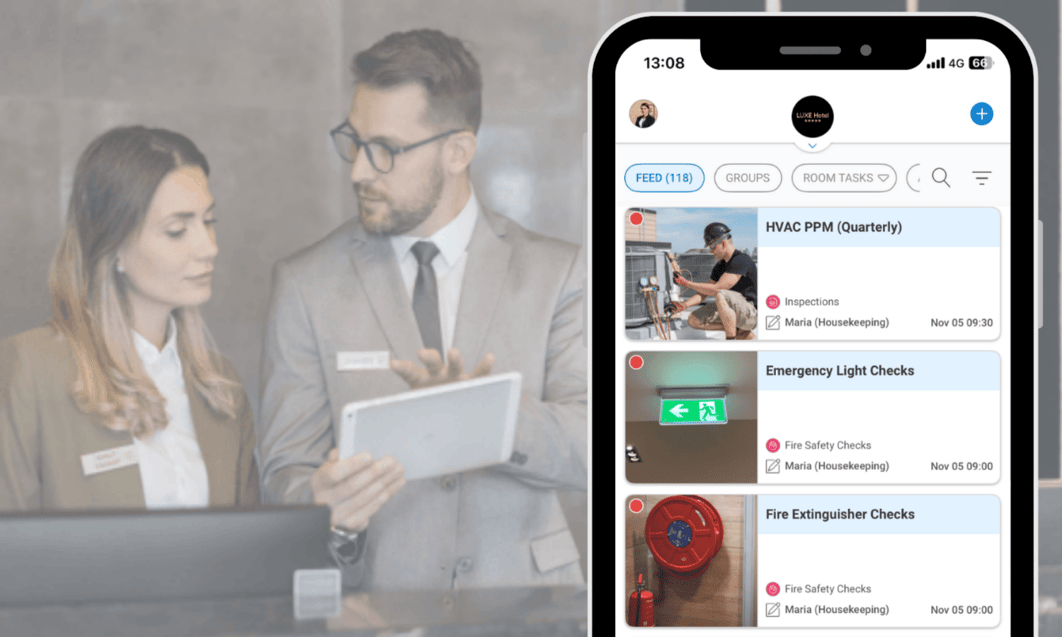
Don't #2 – Don't Rely on Paper Logs or Untracked Workflows
Paper-based workflows create:
- Data gaps and lost information
- No visibility on daily tasks
- No accountability (who did what, when?)
- No trend analysis
- Delayed response times
In 2026, your operational data is your best budgeting tool – and you only get that when tasks, repairs, checks, and issues are digital, timestamped, and accessible. You can't manage what you can't measure – and you can't budget accurately for what you're not tracking.
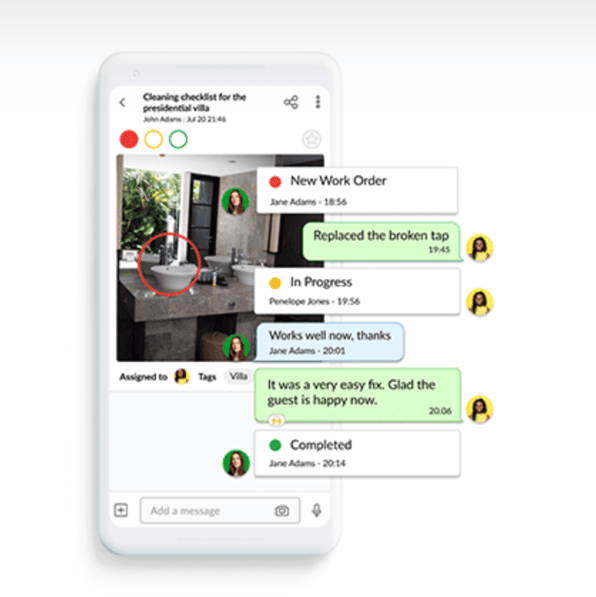
This is where Snapfix excels: Every task, repair, and inspection is automatically timestamped and assigned. Your team can capture issues with photos/videos on the spot, track who completed what work, and access complete maintenance histories instantly – giving you the data foundation needed for accurate budgeting.
Don't #3 – Don't Build a Budget Without Considering Asset Life Cycles
Hotels often face sudden, expensive capex surprises because no one was tracking remaining useful life. "The boiler just died" shouldn't be a surprise if the boiler is aging.
Your 2026 budget should include:
- Asset replacement plans (when will major equipment need replacement?)
- Condition-based prioritisation
- Critical equipment reserves
- A long-term capex roadmap
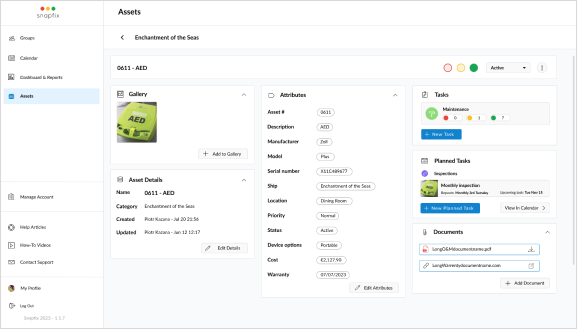
Digital asset registers help predict big-ticket spending. When you track maintenance history digitally, you can see patterns: this HVAC unit needs repairs monthly, that ice machine has needed multiple callouts this quarter. These patterns tell you when to budget for replacement versus continued repairs.
With Snapfix’ Track feature, your team can collaborate instantly in the digital asset register. It keeps everything in one place by including images, videos, warranty details, and training documentation together with the asset.
Don't #4 – Don't Overestimate Revenue Without Market Validation
Wishful thinking in revenue forecasts creates impossible operational expectations.
Instead of assuming optimistic ADR or occupancy growth:
- Use booking pace data
- Monitor local event calendars
- Track competitive set movement
- Analyze historical pickup patterns
- Apply realistic seasonality curves
Stable, realistic forecasting creates better cash-flow planning and sharper control over operating expenses.
Don't #5 – Don't Ignore the Hidden Costs of Inefficiency
Budget documents focus on obvious line items, but inefficiency creates hidden costs:
- Time wasted searching for information
- Duplicate work because tasks weren't logged
- Staff frustration leading to turnover
- Missed preventive tasks leading to failures
These costs are real, but they're buried across multiple line items. Hotels that switch to streamlined digital systems often discover they were losing hours per week on inefficiency: phone tag, searching for records, redoing unclear work orders, hunting down task status.
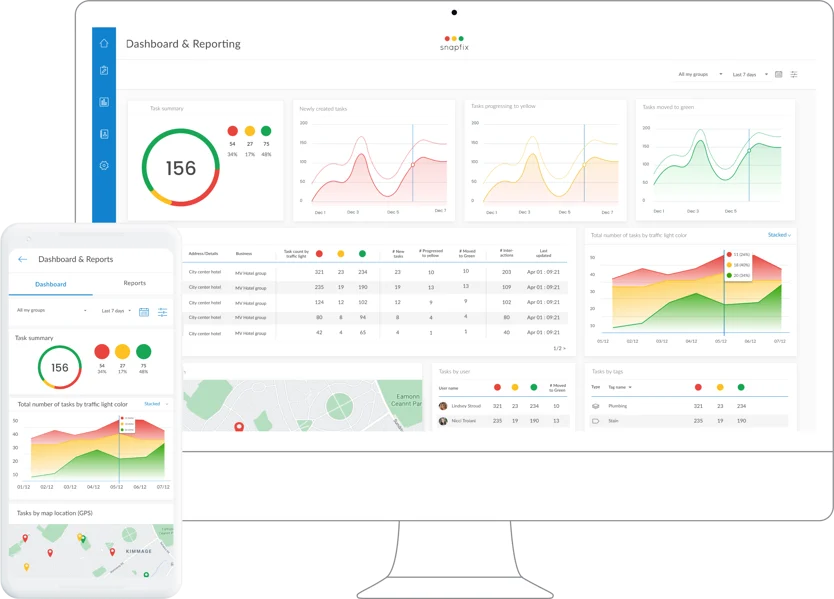
Snapfix supports this indirectly: While revenue forecasting is a commercial function, Snapfix's reporting capabilities give you accurate maintenance cost data – helping you match operational spending realistically to revenue projections and avoid budget shortfalls.
4. A Practical Framework: How to Build a Strong 2026 Budget, Step-by-Step
Step 1 – Review Last Year's Actuals
Break down your performance in detail:
Maintenance trends: Total work orders, preventive vs. reactive split, average cost per task
Labour productivity: Work orders completed per person, overtime patterns
Vendor costs: Total spending, emergency vs. scheduled callout ratio
Energy usage: Monthly utility costs, seasonal patterns
Guest complaints: Maintenance-related issues, response time problems
Asset downtime: Revenue lost to out-of-service rooms
This gives you your baseline. If you're using a digital system, much of this data is already available. If not, you'll need to piece it together from multiple sources.
Step 2 – Identify Operational Gaps
Look for patterns and problems:
- Repeated issues (same thing breaking multiple times)
- Rooms that go out of service often
- Staff bottlenecks
- Communication failures
- Seasonal stress points
Ask your team: "What made your job harder last year?" Their answers will reveal budget priorities you might have missed.
Step 3 – Build Preventive Schedules & Cost Buckets
Categorize your maintenance work:
Routine tasks: Daily inspections, weekly checks, monthly servicing
Seasonal tasks: Pre-summer HVAC preparation, winter weatherization
Safety tasks: Fire system checks, pool chemistry, elevator inspections
Compliance tasks: Regulatory required inspections, documentation reviews
Assign estimated labour hours or vendor costs to each category. This turns your maintenance plan into a budget forecast. When these recurring tasks can be scheduled and automatically assigned with mobile reminders, your budget plan becomes your operational plan.
Step 4 – Allocate Capex Based on Priority
Prioritize capital spending based on:
- Guest experience impact
- Asset condition
- Safety risks
- Energy savings potential
- Operational disruption
Create a 3-5 year capex roadmap so you're not surprised by major replacements. Asset tracking helps maintain this long-term view.
Step 5 – Create a Rolling Forecast Approach
Shift from one big annual budget to:
- Quarterly detailed reviews
- Monthly variance analysis
- Real-time task visibility
- Regular re-forecasting based on actuals
This keeps your 2026 plan resilient and responsive. You're not locked into January's assumptions when conditions change in August.
5. How Snapfix and Photo-Based Work Order Systems Support Modern Budgeting
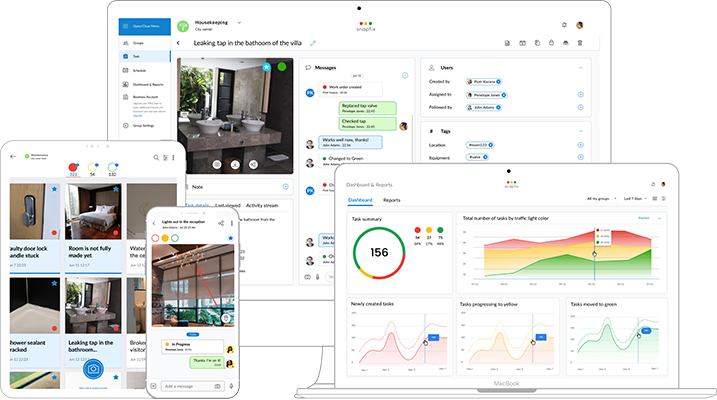
Hotels globally use simple, visual maintenance management to control costs, improve response times, prevent failures, and create predictable spending patterns.
In your 2026 budget, systems like Snapfix contribute to:
✓ Lower Reactive Maintenance Costs
Issues are captured early with photos before they escalate into emergencies. When a housekeeper spots a dripping faucet and logs it with a photo in Snapfix, your team can fix it during regular hours with parts on hand. When that same leak goes unreported for weeks, it becomes water damage and a room out of commission.
✓ Predictable Preventive Planning
Easy scheduling and asset histories reduce uncertainty. You're not guessing what needs to be done – you're following a documented plan. Snapfix automates recurring tasks so your team knows exactly what needs to be done each day, and management knows what's being spent on preventive care versus reactive repairs.
✓ Better Staff Utilization
Simple workflows mean faster onboarding, fewer errors, and higher productivity. Snapfix's mobile-first design means housekeeping, front desk, and maintenance can all log issues instantly. Hotels report saving hours per week in administrative work alone. That's time redeployed to actual maintenance work – or real labour cost savings.
✓ Reduced Communication Overhead
Photo-based systems eliminate phone calls about work order status, meetings to discuss what needs to be done, and emails clarifying unclear requests. The photo shows the problem, mobile apps show the status, notifications keep everyone informed, and dashboards provide complete visibility.
✓ Clear Visibility for Financial Reviews
Task completion data helps finance teams track performance against budget in real time. You're not waiting for invoices to understand maintenance spending – you're watching work order volumes and completion rates as they happen. Snapfix provides real-time cost tracking so you can spot patterns and identify budget risks before they become problems.
✓ Improved Asset Life and ROI
Well-maintained assets last longer and perform better. When you're following a documented preventive program, you're protecting your capital investments. Snapfix's QR code asset tracking lets you scan any asset and instantly see maintenance history, warranty information, upcoming preventive tasks, and training documentation. That expensive HVAC system will reach its expected lifespan instead of failing early because maintenance was inconsistent.
✓ Faster Problem Resolution = Higher Guest Satisfaction
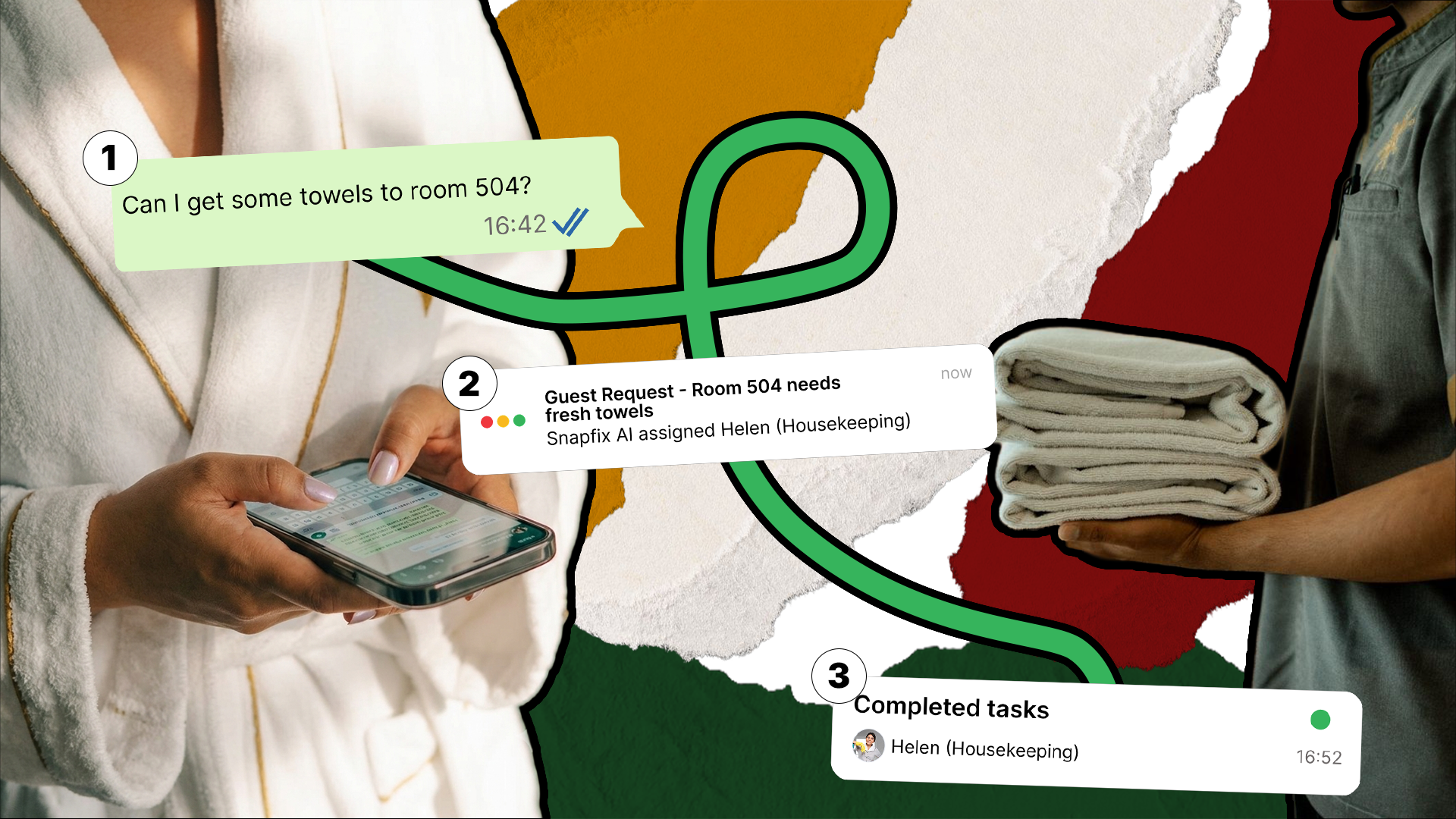
Every hour a guest request sits unaddressed deteriorates satisfaction. Mobile-first design and instant notifications mean problems get resolved faster, leading to fewer complaints, better reviews, and ultimately, better revenue performance. Snapfix's traffic light priorities ensure everyone knows what's urgent, what's in progress, and what's complete.
Systems like Snapfix become not just tools, but budget stabilizers – making operational costs more predictable year after year. Hotels using digital maintenance management for multiple years report progressively better budget accuracy as their data becomes richer and their preventive programs mature.
Getting Started: Your Next Steps
If you're building your 2026 budget now:
Audit your current maintenance data – what do you actually know about last year's spending patterns?
Calculate your preventive vs. reactive split – how much are you spending on emergencies versus planned maintenance? Industry best practice is 80/20. Most hotels on paper systems are closer to 40/60.
Assess your operational visibility – can you answer key questions about asset condition, work order backlogs, and team capacity right now?
Identify your biggest cost uncertainties – where are you making educated guesses instead of data-driven decisions?
If you can't answer these questions instantly, you're budgeting blind.
Your 2026 budget is being built right now. Make sure it's built on a foundation of operational clarity, preventive thinking, and real data – not assumptions and hope.
With simple workflows, visual task management with photos and traffic lights, QR code scanning for asset tracking, and preventive planning built in, Snapfix helps hotels turn budgeting goals into daily operational reality.
It bridges the gap between your budget spreadsheet and your actual work on the ground – ensuring the financial plan you create becomes the operational success you deliver throughout 2026.

.png)